The Fertility Show
16-17 May 2026
Resilience on the Road to Parenthood - Lets all Talk about Fertility
Know your body - Trust your own expertise!
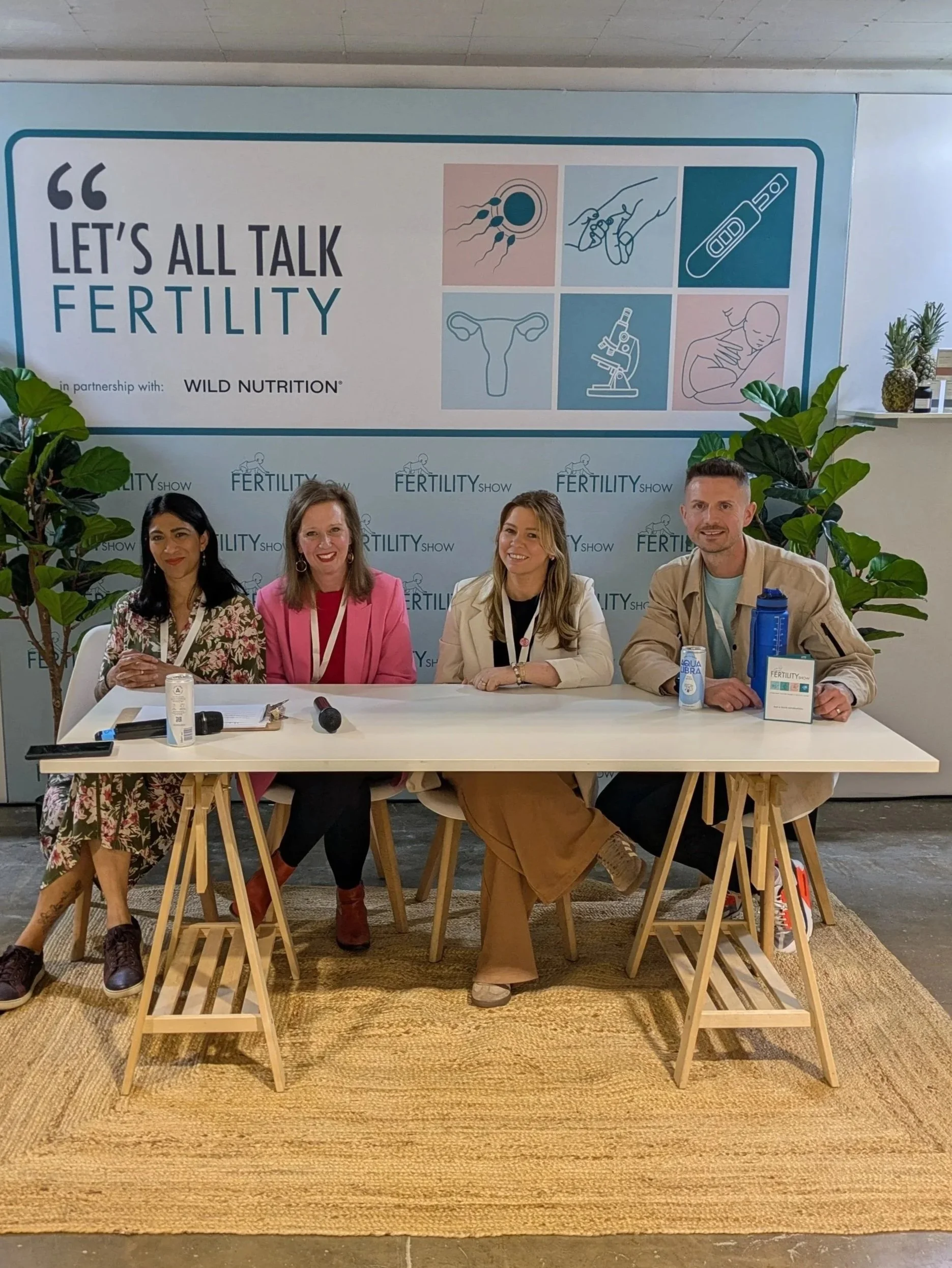
On 17–18 May, I had the privilege of joining The Fertility Show as a panel expert, speaking on resilience throughout the journey to parenthood. I focused on an area that is still too often overlooked within fertility care, the experiences of disabled people navigating the IVF pathway and wider fertility treatment.
For many individuals and couples, fertility treatment can already feel emotionally, physically, and financially overwhelming. When disability, chronic illness, or complex health needs are added into the equation, the process can become even more daunting. Too often, people are left feeling that fertility services were not designed with them in mind, whether due to inaccessible clinics, assumptions about parenting capacity, communication barriers, or rigid treatment pathways that fail to account for individual needs.
Inclusion within fertility care is not simply about accessibility adjustments; it is about recognising that disabled people deserve equal opportunities to build families and receive compassionate, personalised care. Every patient should feel seen, heard, and safe throughout their fertility journey. That means creating environments where people can openly discuss their health concerns, ask questions without judgement, and work collaboratively with professionals to find approaches that support both fertility outcomes and overall wellbeing.
One of the key messages I shared during the discussion was the importance of self-advocacy. Many patients feel pressure to follow a “standard” IVF protocol without question, even when aspects of treatment may not feel safe, manageable, or appropriate for their specific health needs. However, fertility treatment should never be one-size-fits-all. It is okay to ask for adjustments, additional monitoring, alternative medication approaches, longer timelines, or multidisciplinary support if that is what helps you feel safer and more supported.
Self-advocacy can look different for everyone. For some, it may mean preparing questions in advance of appointments or bringing a partner, friend, or advocate to consultations. For others, it may involve clearly communicating physical limitations, requesting accessible information, or challenging assumptions made about disability and parenthood. Most importantly, it means remembering that your safety and wellbeing matter just as much as treatment success rates.
Deviating from standard protocols should not be viewed as a failure or an inconvenience. Personalised care is good care. Fertility journeys are deeply individual, and treatment plans should reflect the realities of a person’s health, body, and life circumstances. By encouraging more inclusive conversations and greater flexibility within fertility services, we can help ensure that more people feel empowered rather than excluded during one of the most significant journeys of their lives.
It was incredibly meaningful to contribute to these conversations at The Fertility Show and to help highlight the need for more visible, accessible, and inclusive fertility care for the disabled community. Change begins with awareness, but it continues through listening, collaboration, and ensuring every person feels they belong within the fertility space.
Thankyou for having me! @TheFertilityShow
